We have all heard the saying, “Don’t make a mountain out of a molehill.” That can be difficult if we don’t even know what a molehill looks like. Knowing more about this pest can help you identify the damage and keep them from making molehills in your yard. Continue reading
Author Archives: Elizabeth Exstrom
Arrrgggg… Pirate Bugs & Hackberry Psyllids
We are all trying to make the most of these last warm fall days. While enjoying the last little bit of warm weather, tiny terrors seem to be everywhere. Find out what the little insects are up to and how you can keep from going nuts. Continue reading
The War on Turf Weeds
The saying, “Timing is everything,” could never be more true. Proper timing of herbicide applications can not only save you the frustration of having a lawn full of weeds, but it can also lead to better control of those pesky plants. Properly identifying the weed and knowing its growth habit is helpful in knowing if or when is the best time to apply herbicides for the best results. Continue reading
Proposed Pesticide Certification Rule Changes
Some proposed changes to Pesticide Certification.
As many producers know, in order to obtain a pesticide applicators license and purchase Restricted Use Pesticides (RUPs), every three years you complete a private pesticide certification program or self-study program. The Environmental Protection Agency (EPA) is proposing stricter standards for people to use RUPs and have determined that use of these RUPs would be safer with increased supervision and oversight, and to require all people who apply RUPs to be at least 18 years old (Nebraska currently requires applicators to be 16 years old). These proposed changes apply to the FIFRA/Certification of Pesticide Applicators Rule.
Information below has been summarized from the Nebraska Extension Pesticide Safety Education Program which I’ve decided to share with you this week, to make you aware and allow you to provide your feedback as the public comment period for the proposed changes to the certification rule will run through November 23, 2015.
Certifications will…
View original post 265 more words
Got Yellow Grass Instead of Bluegrass?
Timely rains this year may have kept many from running their irrigation systems, but they could have also done much more than that. Moisture has kept many lawns from going dormant and heavy rains are most likely the reason for many the weeds in the turf and in some cases, its yellow appearance. Continue reading
The ‘F Word’ of the Year: Fire Blight
This year has been a tough one on our landscapes. The fluctuating temperatures this winter caused death and dieback in euonymus and willow. Then the prolonged cool, wet spring has brought about fungal infections including ash rust and cedar/apple rust. Now a bacterial infection is rearing its ugly head in apple, crabapple, and their relatives. Find out what fire blight is, the symptoms to be on the look-out for, and what can be done to trees once infected. Continue reading
Bagworms in Evergreens
Evergreen Bagworms can be a big issue in juniper and spruce. Read more from Jenny’s blog.
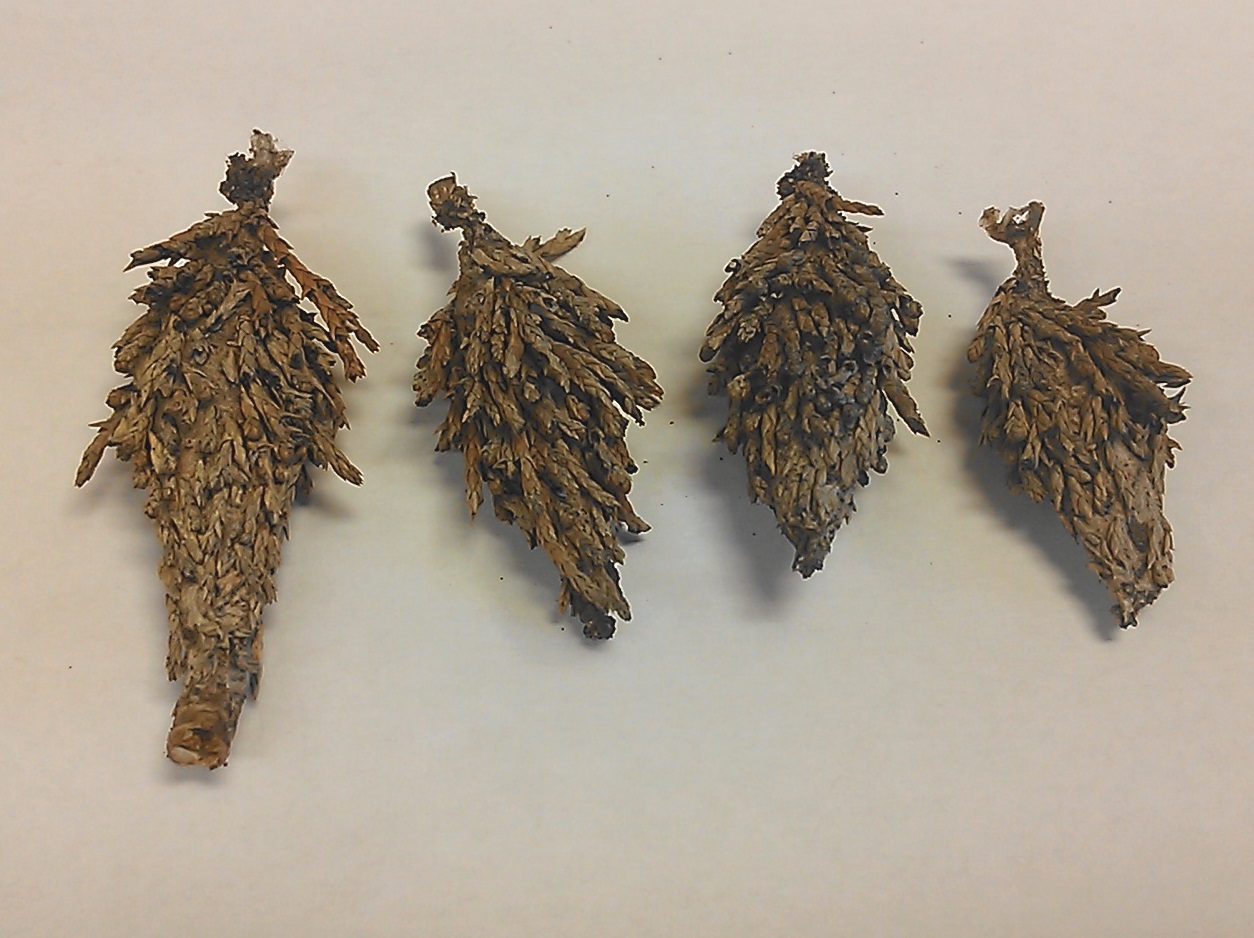
I’ve been receiving questions regarding when to spray for bagworms. Bagworms overwinter as eggs in these up to 2″ bags which are formed throughout the summer with silk and evergreen needles by larvae. Larvae feed until late August or early September. Males then emerge and mate with females through the bag opening in September. 500-1000 eggs are deposited by female moths within their own bags. After depositing eggs, the females drop to the soil and die. Bagworms overwinter as eggs within bags fastened to twigs such as these shown in this photo.
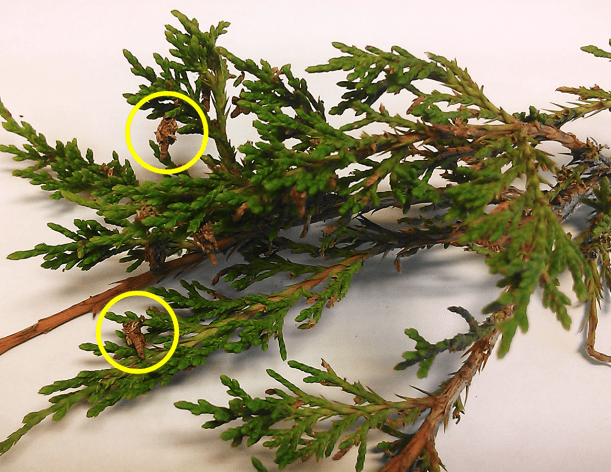
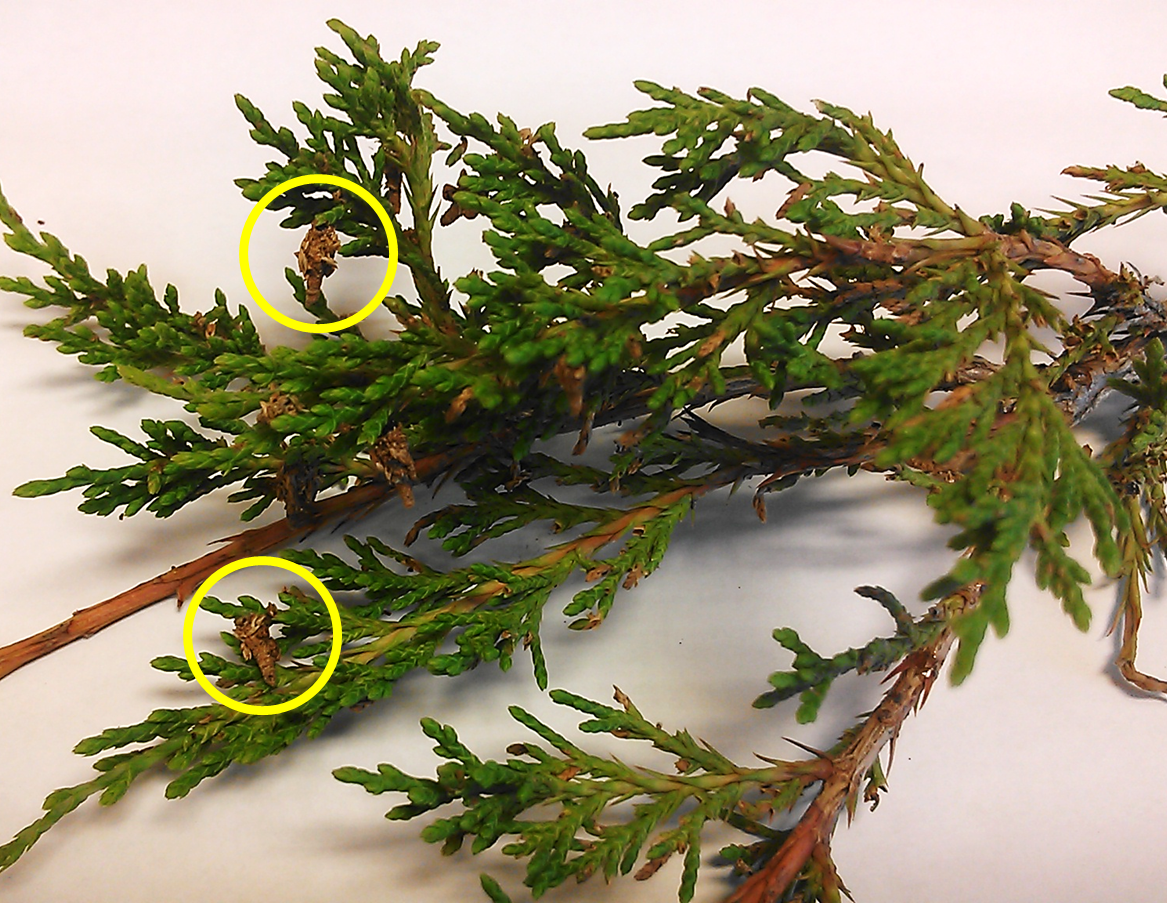
Eggs hatch in mid-May to early June. Some caterpillar larvae remain on the same trees containing the bags from which they hatched. Others are blown by the wind to area trees allowing for new infestations to occur. This photo shows new bags (1/8-1/4″) being formed on trees as they create these bags around themselves. Look closely for these tiny…
View original post 89 more words
Grubs- Turf’s Summer Problem
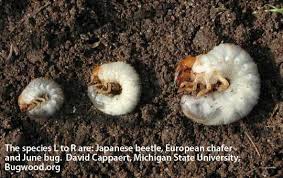
Happy Summer! June 21st marked the start of the summer season. Summer means a good time for cookouts, picnics, swimming, and grub control. Not exactly what you had in mind for summer fun? Knowing the pest and its habits can help keep you from spending all of your summer fun time dealing with grubs. Continue reading
Common Turfgrass Mistakes
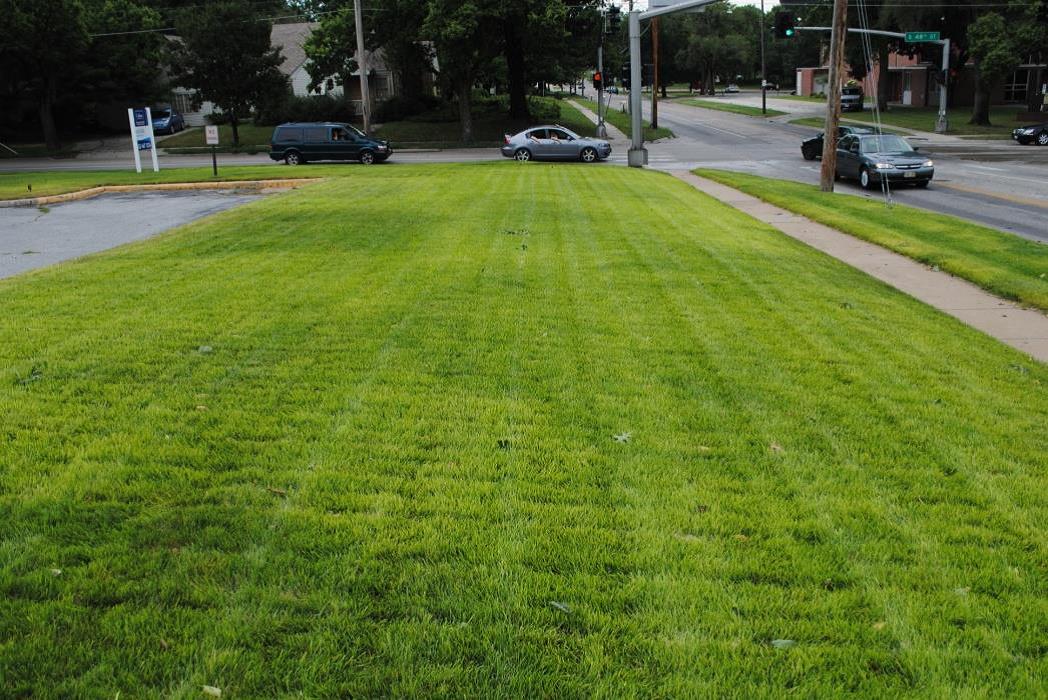
A lush, green lawn free from weeds and pests is what most of us want in our backyard. On your quest for the perfect lawn, there might be some mistakes you are making along the way. Don’t let one of these common mistakes hinder your progress towards that lawn you have dreamed about. Continue reading
Wildflower Week 2015
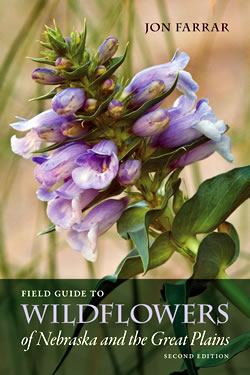
Wildflower Week is in full bloom. What exactly is Wildflower Week and what is a wildflower? Wildflowers and native plants are very versatile plants that have multiple benefits in the landscape. Some wildflowers are a cut above the rest and are worth a try in your garden. Continue reading