This year’s temperatures so far have been a rollercoaster. In a matter of a week we went from higher than average temperatures to subzero temperatures. That type of temperature fluctuation is not only hard on us; it is also hard on our landscapes. Take advantage of the warm weather while its here and be on the lookout for a few potential problems in the landscape. Remember that gardeners aren’t the only ones that are ready for spring.
While the snow was on the ground, pesky critters were at work. Rabbits have been hard at work munching on your landscape plants during the winter. Rabbits will feed on pencil sized branches and will leave a clean 45 degree angle cut. They can also strip the bark from around the base of trees and shrubs as high as 3 feet tall. Cottontails may be cute, but if there is heavy enough feeding, they can cause some serious damage. Fencing the plants that are the most commonly munched by rabbits will keep them from becoming lunch. Be sure to bury the fence at least 1 foot in the ground and have it stand at least 2 feet tall.
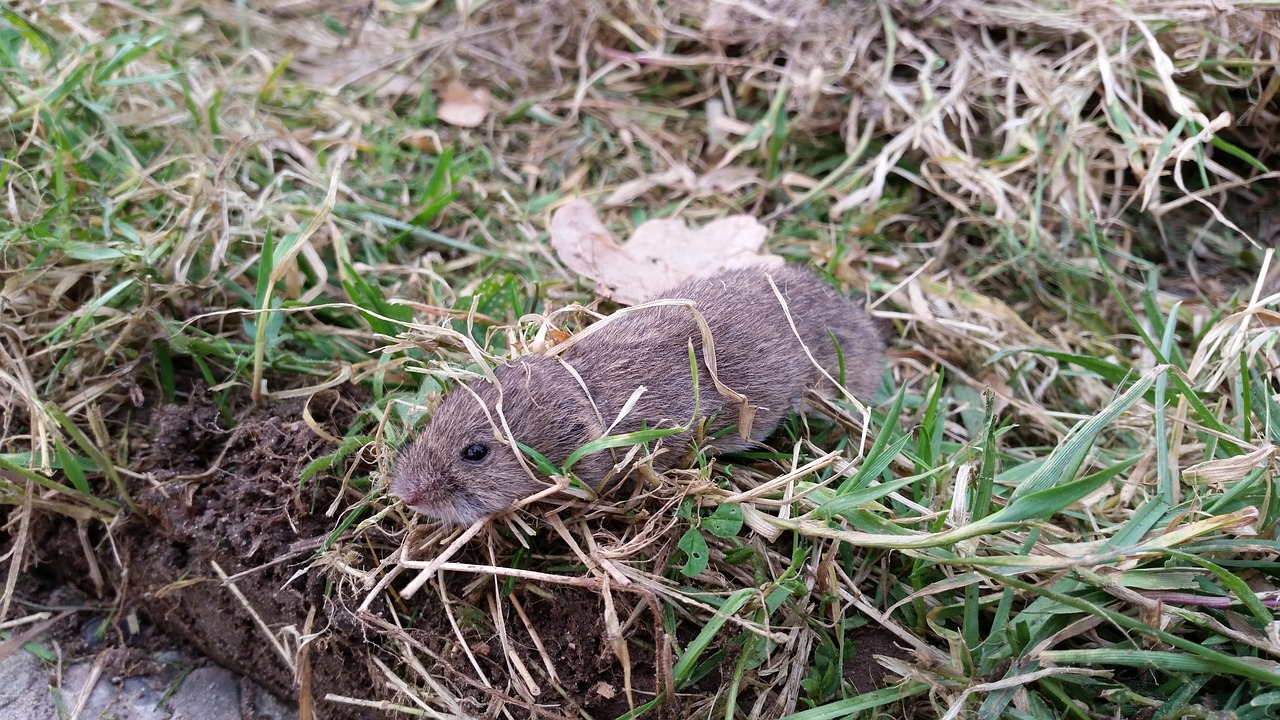
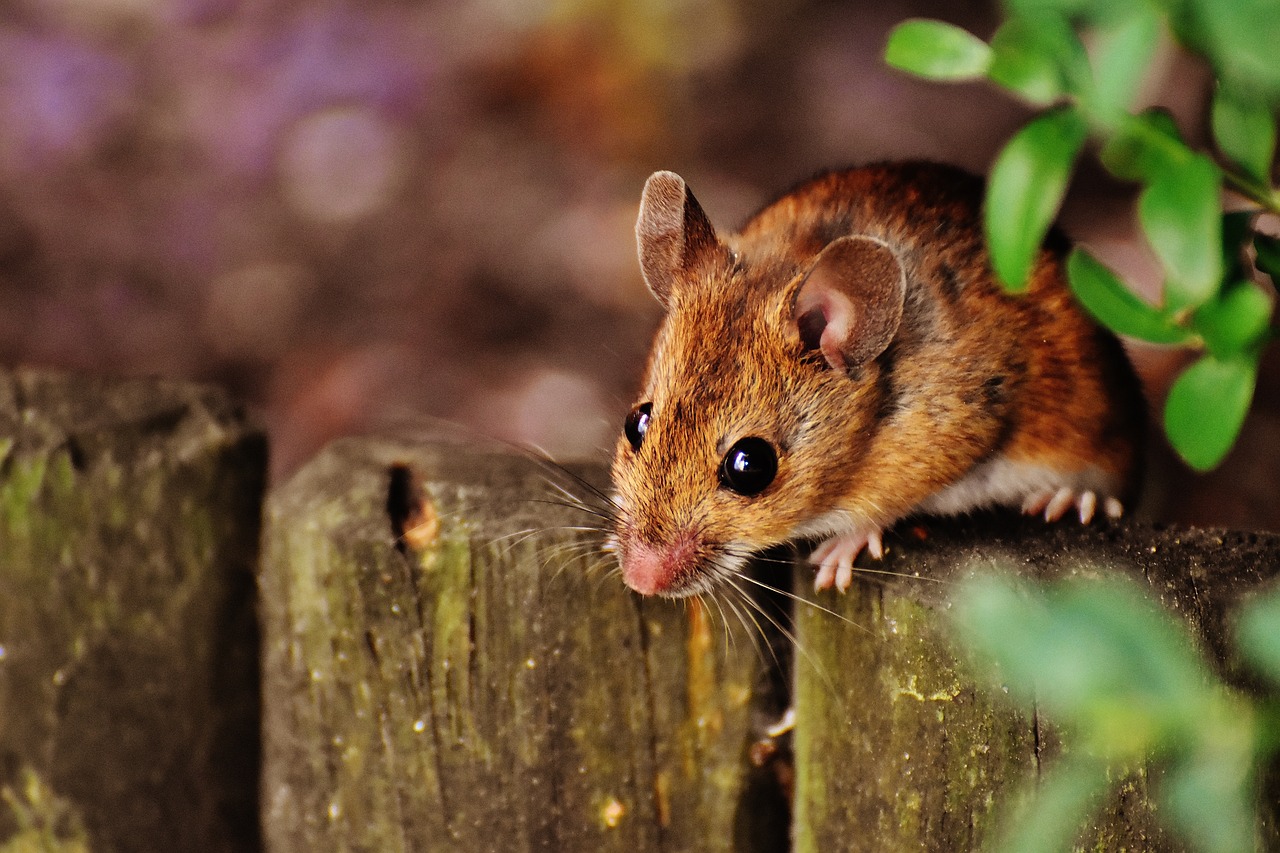
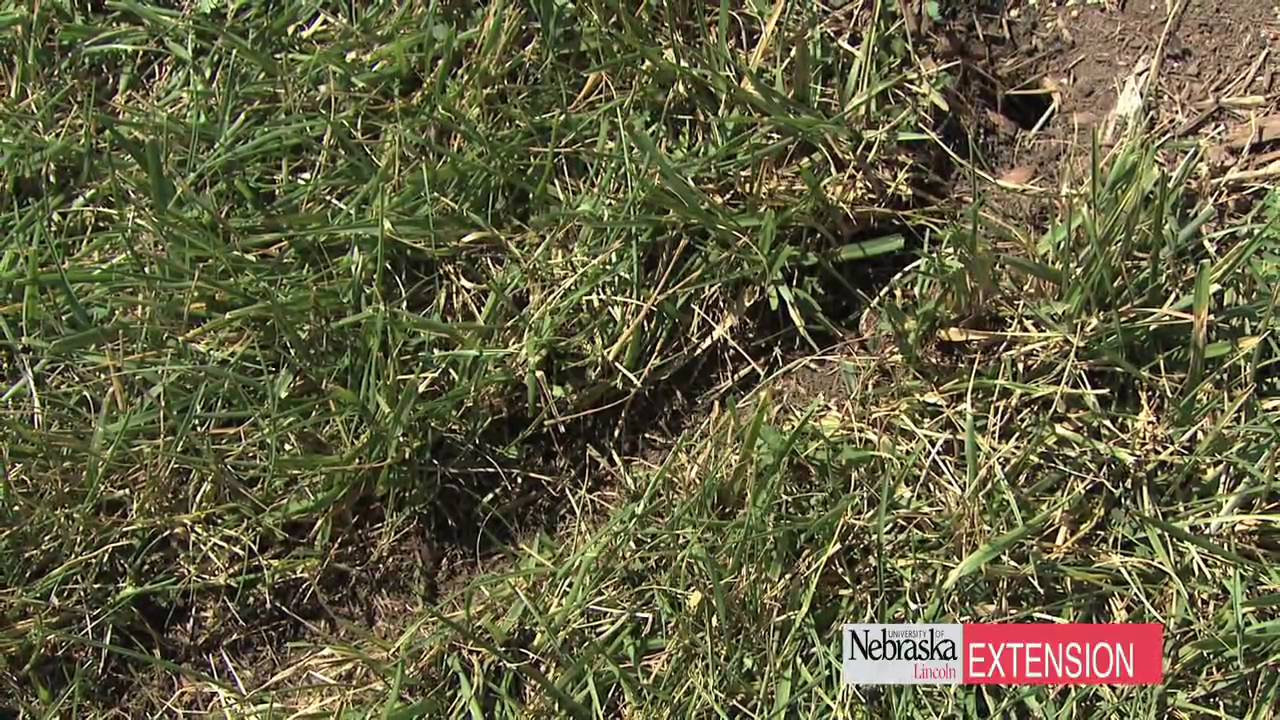
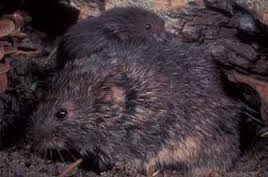
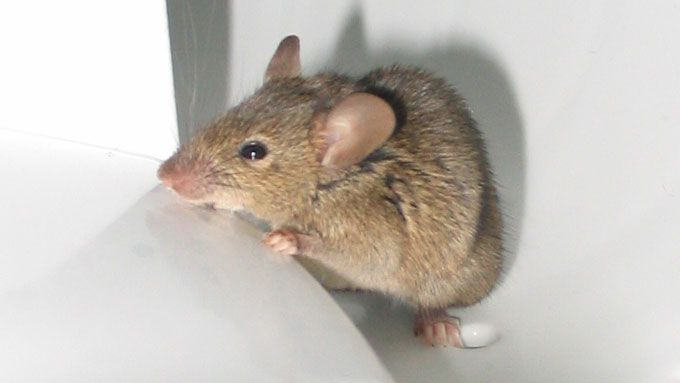
Voles are a little harder to spot in the winter. Voles are small creatures that look like a short-tailed mouse. They make runways between the turf and the snow cover that are about 1-2 inches wide. Once the snow is melted it looks like a tiny maze of runways zigzagging between plant material. In the areas of the runways, the turf will be nipped off close to the crown of the plant. Normally, the turf will repair itself in the spring and the damage isn’t permanent. If the feeding is excessive, the turf can be over seeded in those areas. Voles can also eat away at the green inner bark of trees and shrubs just like rabbits. If the feeding damage is great enough, it can kill young trees and shrubs. If severe damage is noticed, allow the wound to remain open to the elements and breathe. Avoid covering the damaged areas with tree wraps or wound dressings and paints. Voles also steal bulbs from the ground and eat them. If your prized tulip doesn’t come up this spring, blame the voles.
What’s black with white stripes and is a stinker? You guessed it, the skunk. The well-known smell is enough to warn any passerby of its presence. Skunks are active from dusk until dawn and feed on a wide range of insects. Skunks can cause damage to turf while digging for their next meal. Since they don’t feed on landscape plants, why do you need to know about skunks now? We are in the prime mating season of the skunk. Males will travel up to 5 miles in search of females, many times over our lovely highways. Females will have a litter of 4-6 pups which are with mom until the fall.
Some critters have been busy this winter munching and snacking. Check your landscape plants to see if there is any damage left behind from these critters and try to steer clear of our little smelly friends, the mating season will soon be over.
For more information contact Elizabeth Killinger at elizabeth.killinger@unl.edu, 308-385-5088 308-385-5088, on Facebook, Twitter, her blog at https://huskerhort.wordpress.com/, or visit the University of Nebraska-Lincoln Extension website: hall.unl.edu.




 Husker Hort