Husker Hort

A Nebraska View of Horticulture


Leave a comment

Chartreuse Leaves Could Spell Trouble for Your Trees

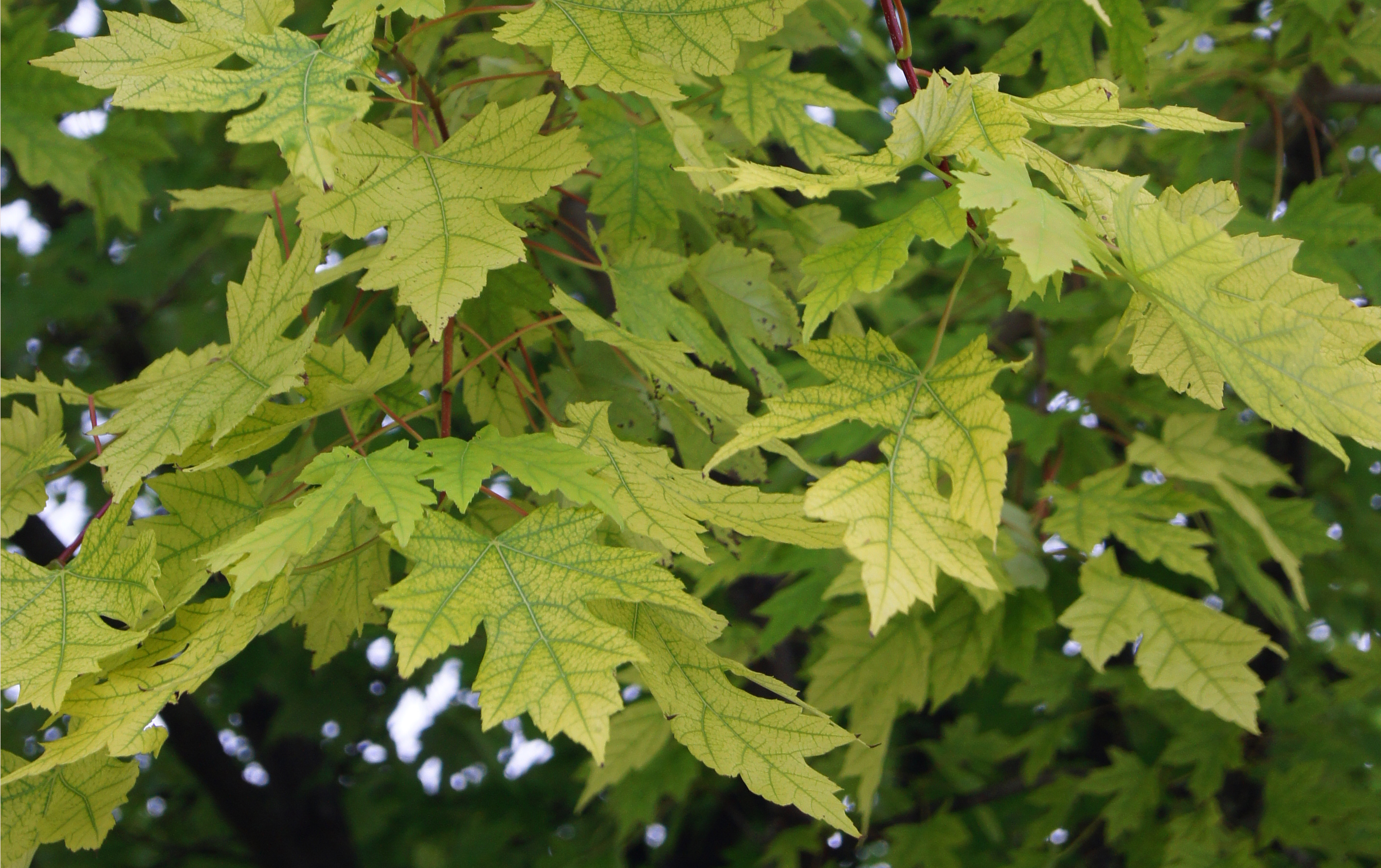
Chartreuse isn’t the first color we think of to describe tree leaves. The color is half green/ half yellow, but it is the perfect color to describe many trees in the area right now. What is causing trees to be this color and why is it happening now? Chlorosis could be to blame and there are many causes for the yellow/green color. With a little know-how you can have your trees back to their dark green color.

Continue reading

Leave a comment

Las hojas de Chartreuse podrían significar problemas para sus árboles

Chartreuse no es el primer color en el que pensamos para describir las hojas de los árboles. El color es mitad verde / mitad amarillo, pero es el color perfecto para describir muchos árboles en el área en este momento. ¿Qué está causando que los árboles sean de este color y por qué está sucediendo ahora? La clorosis podría ser la culpable y hay muchas causas para el color amarillo / verde. Con un poco de conocimiento puedes hacer que tus árboles vuelvan a su color verde oscuro.

Continue reading


Leave a comment

Tomato Troubles

Whether you pronounce it toe-may-toe or ta-mah-toe, either way you say it they are both delicious. Tomatoes are grown in over 86 percent of home gardens in the United States, making them the most popular homegrown vegetable. There are many common diseases and problems that can plague tomatoes. With a little help, you can keep your tomatoes in tip top shape.

Continue reading


Leave a comment

Problemas de tomate

Ya sea que lo pronuncies toe-may-toe o ta-mah-toe, de cualquier manera lo digas, ambos son deliciosos. Los tomates se cultivan en más del 86 por ciento de los huertos familiares en los Estados Unidos, lo que los convierte en el vegetal de cosecha propia más popular. Hay muchas enfermedades y problemas comunes que pueden afectar a los tomates. Con un poco de ayuda, puede mantener sus tomates en plena forma.

Continue reading


Leave a comment

Diversión de verano, picnics y control de larvas

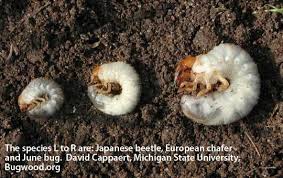
Las especies de izquierda a derecha son: escarabajo japonés, chafer europeo e insecto de junio. Foto por David Cappaert, Michigan State University, Bugwood.org

El primer día oficial del verano ya casi está aquí. El 20 de junio marca el inicio de la temporada de verano. Esto significa un buen momento para comidas al aire libre, picnics, natación y control de grub. ¿No es exactamente lo que tenías en mente para la diversión del verano? Conocer la plaga y sus hábitos puede ayudarlo a evitar que pase todo su tiempo divertido de verano lidiando con larvas.               

Continue reading


Leave a comment

Summer Fun, Picnics, & Grub Control

The first official day of summer is almost here. June 20th marks the start of the summer season. This means a good time for cookouts, picnics, swimming, and grub control. Not exactly what you had in mind for summer fun? Knowing the pest and its habits can help keep you from spending all your summer fun time dealing with grubs.    

Continue reading


Leave a comment

Naranja pegajosa (su roya de cedro-manzana)

Hiel de roya de cedro y manzana

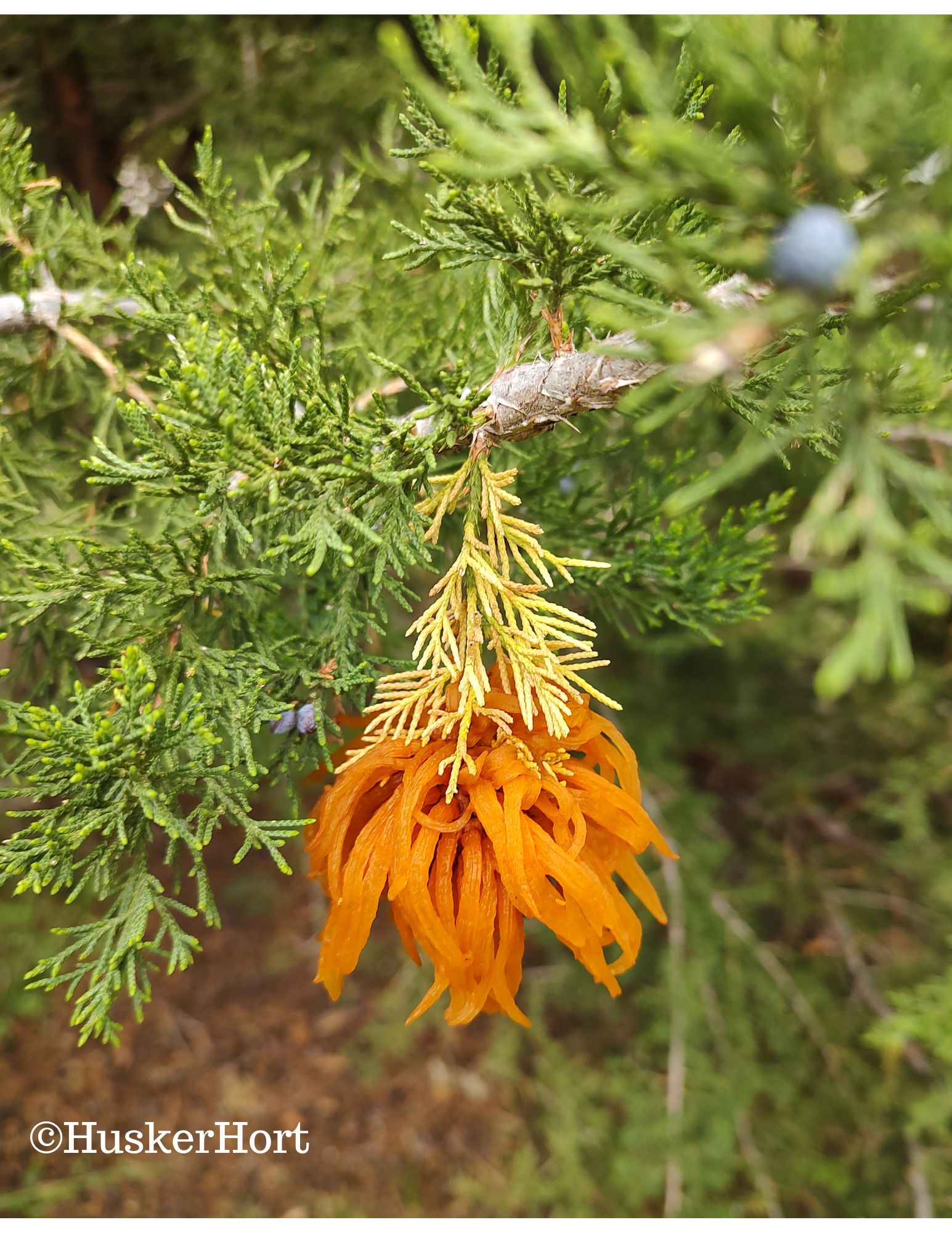
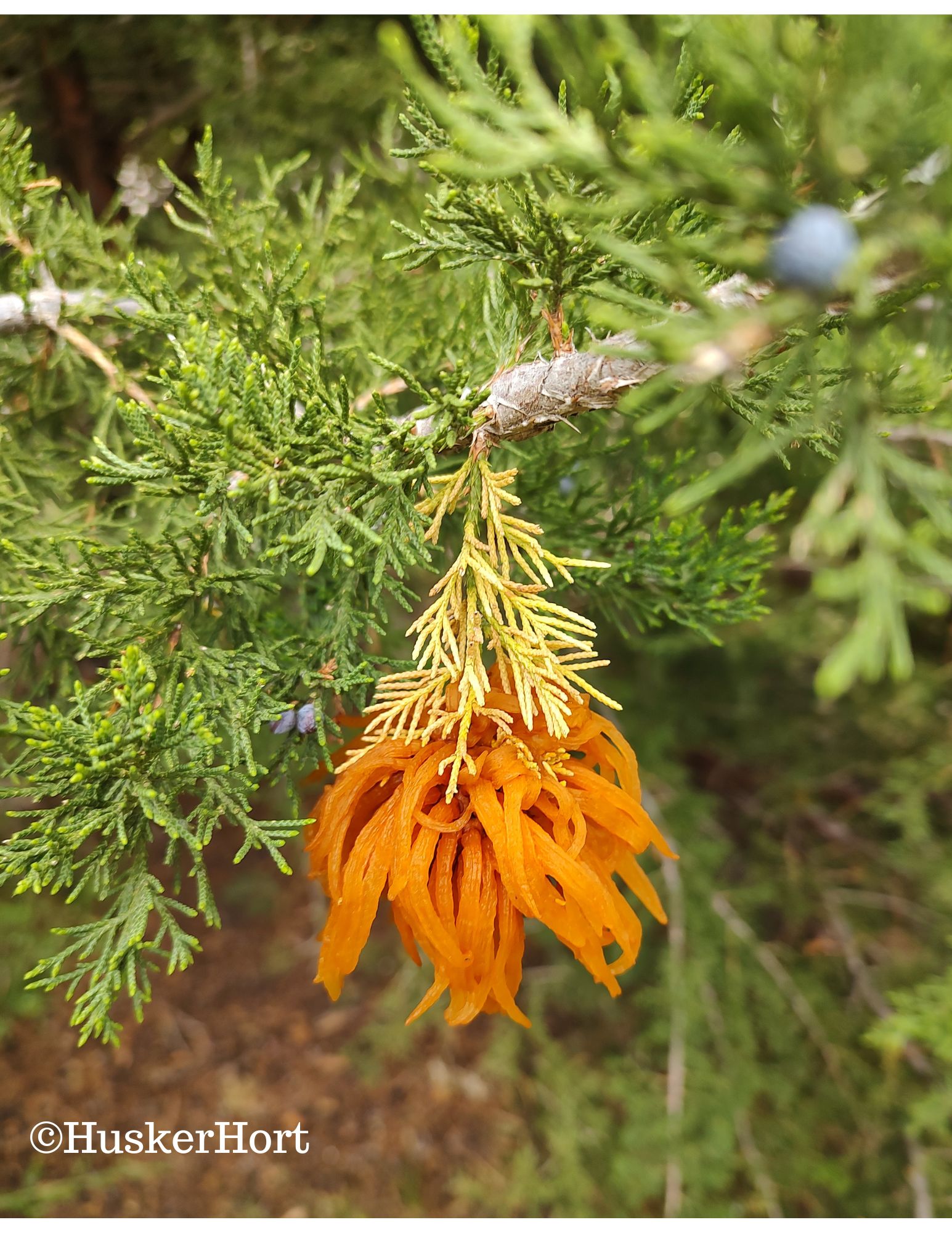
¿Has notado cedros con globos naranjas? Parece que los árboles han comenzado a crecer gelatina naranja. Hay un hongo entre nosotros. Averigüe qué puede hacer ahora que ha ocurrido la infección y si hay algo que pueda hacer para prevenirla en el futuro.

Continue reading


Leave a comment

Orange Tree Goo (Its Cedar-Apple Rust)

Have you noticed cedar trees with orange globs? It looks like the trees have started growing orange jelly. There is a fungus among us. Find out what you can do now that infection has happened and if there is anything you can do to prevent it in the future.

Continue reading